
Introduction
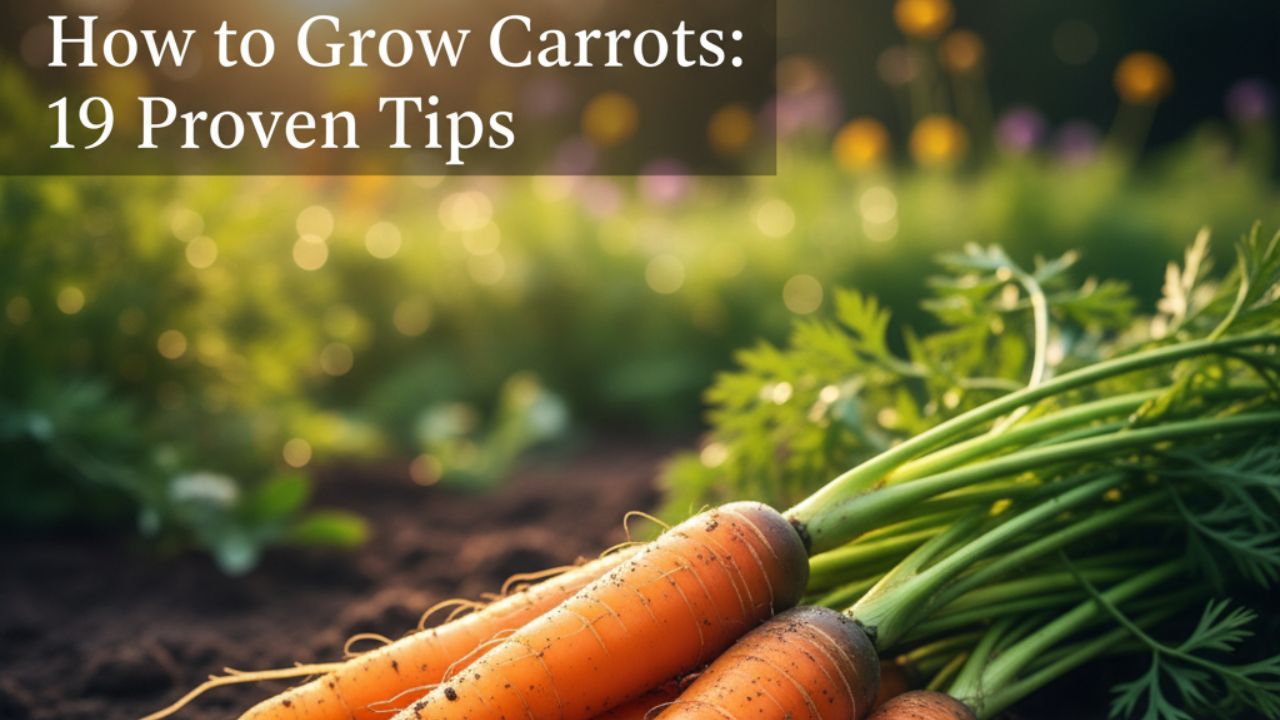
Imagine this: you put your hands in soft, earthy soil and see a bright orange carrot peeking out. It’s crisp, sweet, and homegrown. People all over the world love carrots. They are not only colorful and crunchy, but they can also be grown in many different places.
Whether you live in Canada’s cool valleys, Pakistan’s tropical fields, or on a balcony pot in Europe, understanding how to grow carrots is both a science and an art.
By the end of this global guide, you’ll learn how to prepare the soil, plant seeds, water them, and harvest them like an expert, all while avoiding the seven most common mistakes that gardeners make.
The Global Origin & History of Carrots
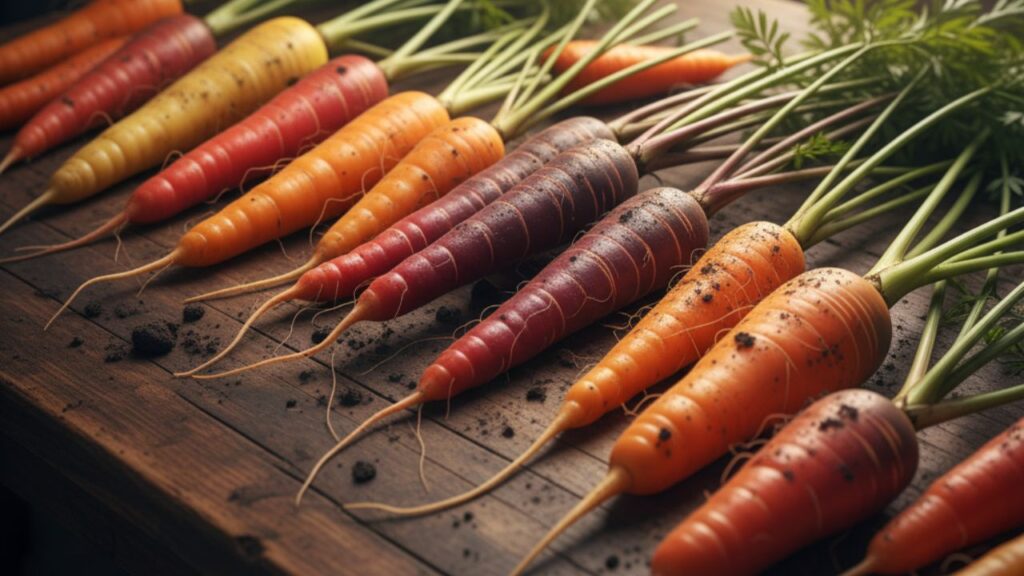
Carrots (Daucus carota) have been around for almost 5,000 years, since they came from Persia (now Iran and Afghanistan). Carrots used to be purple and yellow, not orange.
In the 17th century, Dutch breeders grew the orange carrot, which is now a symbol of the Dutch royal color.
Carrots changed into many different shapes and colors as they moved from Asia to Europe and beyond. They adapted to climates ranging from freezing northern soils to humid tropical lands.
If you loved learning how to grow carrots, you’ll also enjoy our complete vegetable companion guide—How to Grow Tomatoes in Any Climate: 9 Expert Secrets for Perfect Tomato Gardening.
Discover the proven soil mix, watering rhythm, and companion planting tricks that help tomatoes and carrots thrive side by side in every climate zone.
Types & Varieties of Carrots Worldwide
Carrots grow on every continent except Antarctica. Each region has changed them to fit its own climate, taste, and type of soil. Some are crunchy and sweet, which is excellent for salads, while others are thick and cultivate carrots. you must begin Gardeners can choose the best way to grow carrots for their area if they know about these different types.
| Region | Common Varieties | Growth Character | Best Season |
| Asia | Pusa Rudhira, Desi Red, Kuroda Improved | Heat-tolerant, deep red flesh, high carotene content | Winter (Nov–Feb) |
| Europe | Nantes, Chantenay, Autumn King | Cylindrical, crisp, very sweet flavor | Spring–Autumn |
| North America | Imperator, Danvers, Bolero | Long, tapered roots ideal for loamy soils | Spring |
| Tropics | Cosmic Purple, Kuroda, Sugarsnax 54 | Short, thick roots; thrive in high humidity | Cool dry season (Winter) |
| Cold Regions | Maestro, Scarlet Nantes, Touchon | Cold-tolerant, rich orange color | Late Spring–Summer |
Carrot Family Secrets: Picking the Right Type for Your Garden
Nantes Varieties—Great for small raised beds or container gardening. They are short, all the same size, and grow quickly (60–70 days).
Imperator Varieties—These carrots are long, thin, and shiny, making them ideal for deep sandy soils. Commercial farmers like them.
Chantenay Varieties—These carrots are short and wide, and they do exceptionally well in heavy or rocky soils where long roots have a tough time.
Kuroda Varieties — It can handle heat and is ideal for tropical and subtropical areas. Their roots are juicy and have a deep orange-red color.
Cosmic Purple & Rainbow Mixes—These heirloom types are full of antioxidants and make gourmet dishes look more intriguing.
Global Tip: Once you master how to grow carrots, experimenting with regional varieties like Nantes or Kuroda helps you adapt to any climate and soil for the sweetest, most vibrant harvests.
Ideal Conditions—Soil, Sunlight, and Climate
To really learn how to grow carrots anywhere in the world, you need to make the soil cool. loose, and sunny, like it is in nature. Carrots are temperate crops that like things to stay the same. If it gets too hot, they get woody, and if it gets too wet, they split.
| Factor | Ideal Range | Expert Gardener’s Note |
| Temperature | 16–24°C (60–75°F) | Cooler nights produce sweeter, juicier roots. Avoid planting in the peak summer unless in shaded or high-altitude areas. |
| Soil pH | 6.0–6.8 | Carrots thrive in neutral to slightly acidic soils. A balanced pH ensures nutrient absorption for perfect root color. |
| Sunlight | 6–8 hours/day | Full sun is ideal, but in tropical regions, partial shade prevents heat stress and cracking. |
| Soil Type | Loose, sandy loam | Deep, stone-free beds encourage long, straight roots. Never plant in clay-heavy soil! |
Try This Tip!
Mix one part coarse sand with three parts compost before planting.
This easy trick stops roots from splitting, keeps the texture soft, and makes sure that moisture is evenly distributed. After that, put down a thin layer of mulch to keep the moisture in.
Did You Know?
- Carrots grown in cooler areas have more natural sugars in them, which makes them taste sweeter.
- When the temperature drops a little before harvest (below 15°C), the sugar level rises. That’s why northern carrots taste like candy!
When growing organic carrots, farmers often switch out beds with legumes like peas. This keeps the soil loose and full of nitrogen.
Step-by-Step Guide: How to Grow Carrots (Global Master Method)
Carrots seem straightforward to grow, but every gardener who knows how to do it knows that it’s a delicate balance of soil, water, and timing. Use this proven method that organic farmers, agronomists, and home gardeners have been using for years.
1. Soil Preparation—The Foundation of Every Root
To learn how to grow carrots, you have to start below the surface. Carrots are root vegetables, and they only grow well when their roots can stretch down.
- To ensure straight roots, the soil should reach a depth of 10–12 inches.
- Take out stones, clumps, and old roots. Even a small stone can twist or fork your carrots.
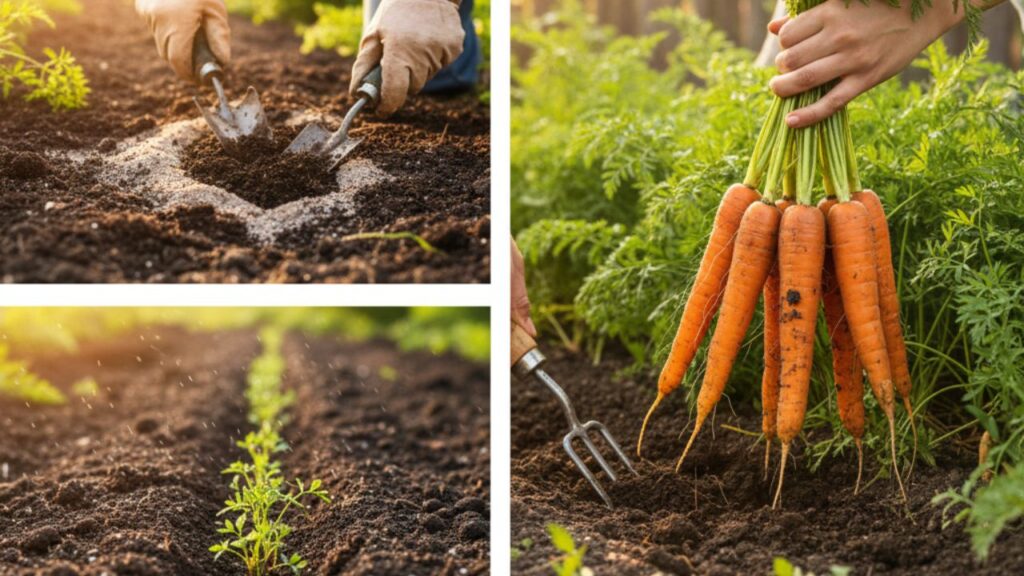
- Add aged compost or well-rotted manure to the soil, but do it two weeks before planting so that the nutrients mix in without burning the seeds.
- Aim for a loose, crumbly texture—think of soil that crumbles like chocolate cake in your hands.
Expert Gardener’s Note:
To make raised beds, mix 50% garden soil, 30% compost, and 20% river sand. This combination is like perfect loam and stops it from getting too brittle in wet or clay-heavy areas.
2. Sowing the Seeds: Prioritize Accuracy Over Speed
Carrots don’t like being disturbed, unlike other vegetables. The best way to grow carrots is to always plant them directly in the ground, not in seed trays.
- Planting depth: ¼ inch (6 mm) only. Carrot seeds are tiny and need light to grow.
- To keep things from getting crowded and twisted, space them 2 to 3 inches apart.
- Moisture: The soil should always be moist but never soggy. Too much water at germination can cause fungal problems.
- Cover with a light layer of fine soil or compost, then gently mist daily until sprouts appear (10–20 days).
Pro Tip:
A farmer’s trick to keep the seeds from germinating in patches is to mix them with sand before planting them.
3. Watering and fertilizing: The science behind sweet roots
Carrots get their sweetness from staying well-hydrated. Watering plants at different times can cause their roots to crack or become woody.
- Water lightly but often, and try to keep the top 6 inches of soil moist.
- Don’t use fertilizers that are high in nitrogen because they make leaves grow instead of roots.
- Every three weeks, give them organic compost tea or seaweed extract. This will make their roots stronger and increase their natural sugars.
- In dry places, mulch the beds to keep the soil moist and control the temperature.
Expert Gardener’s Note:
Watering in the morning stops fungus problems and lets the roots dry out evenly all day. Watering in the evening often leads to leaf blight.
4. Thinning & Weed Control: Space Equals Strength
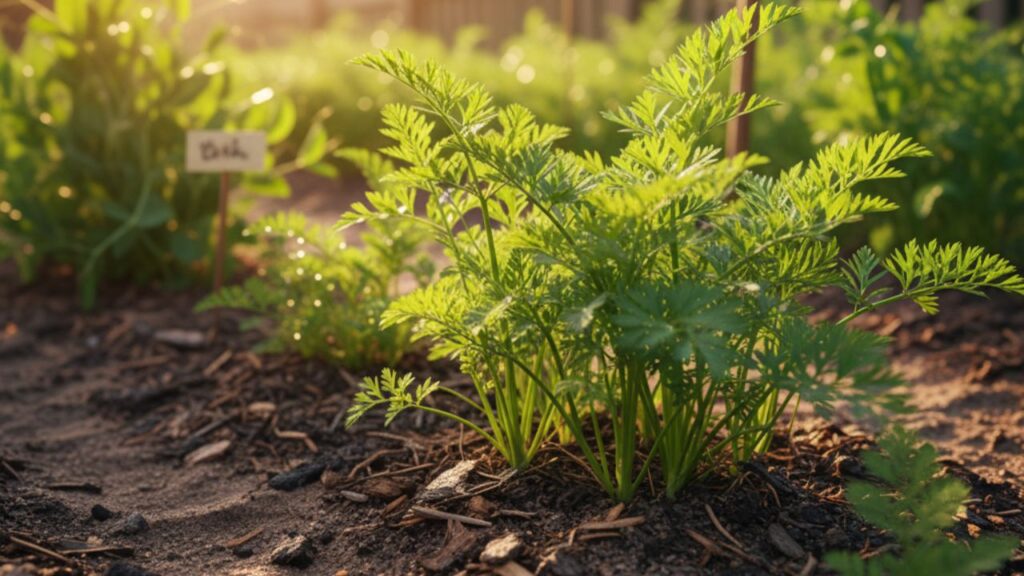
When seedlings are 2 inches tall, carefully thin them out so their roots don’t fight for space. Carrots that are too close together bend easily.
- Cut weak seedlings at the base instead of pulling them out (to avoid bothering neighbors) and space them 2–3 inches apart.
- Use straw or leaf compost as mulch to keep weeds down, save water, and keep the temperature stable.
- Hand-pull weeds; herbicides can change the taste and growth of carrots.
Try This Tip!
Don’t throw away the thinned seedlings; their tender greens are tasty and can be eaten in salads or pesto.
5. Harvesting the Right Way: Timing Affects Flavor
Depending on the type and the temperature, you will get your reward 70 to 90 days after planting.
- Test one carrot first—if it’s firm and vividly colored, the rest are ready.
- Before pulling, gently loosen the soil with a fork. Pulling without loosening can break roots.
- Trim the green tops right after harvesting to keep the moisture in.
- Roots can stay fresh for up to two months if you keep them in cool, moist sand or a cellar at 0–4°C (32–39°F).
Global insights & Key takeaways
In colder areas, leaving carrots in the ground until a light frost naturally makes them sweeter. This is nature’s own way of making sugar. Getting the hang of how to grow carrots is all about timing: soil that isn’t too tight,
Carrot Growth Timeline Table
| Stage | Duration | Key Actions | Expert Tip |
| Seed Sowing | Day 0 | Sow ¼ inch deep, 2–3 inch spacing | Mix seeds with sand for even distribution |
| Germination | 10–20 days | Keep soil moist with light misting | Avoid overwatering; too wet causes fungal issues |
| Seedling Stage | 20–40 days | Thin seedlings to 2–3 inches | Cut weak seedlings at base; don’t pull |
| Root Development | 40–70 days | Water evenly, fertilize with compost tea | Mulch to retain moisture and regulate soil temp |
| Maturation | 70–90 days | Harvest firm, colored roots | Loosen soil with fork; trim greens immediately |
The best way to grow carrots organically
Organic carrot farming is the best way to grow carrots because it lets you work with nature’s rhythm. Organic soil care makes sure that every root grows with more flavor, color, and nutrition, and no chemicals are left behind.
- Adding vermicompost, aged cow dung, or compost tea to your beds will help the microbes and natural fertility grow.
- Use neem oil sprays or plant onions and marigolds next to your plants to protect them. These are nature’s built-in pest defenses.
- Crop rotation is important. Don’t plant carrots in the same place for at least two years to keep the soil healthy and avoid root diseases.
This is a fantastic idea!
Mix neem leaves and garlic in water, strain, and spray once a week. This natural mix keeps your garden completely organic and keeps aphids and root flies away.
Common Problems, Diseases & Solutions
Even the best gardeners have trouble learning how to grow carrots, but the key to mastering it is to stop problems before they start. Knowing these common carrot problems and how to fix them naturally helps you make sure that your harvests are healthy, organic, and high-yielding year after year.
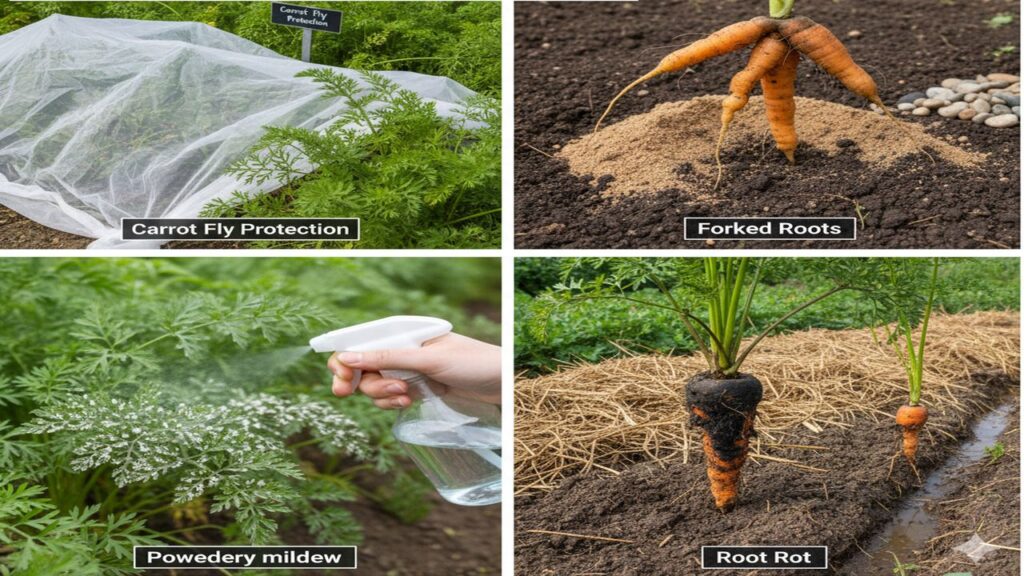
| Problem | Likely Cause | Proven Solution |
| Carrot Fly | Adult flies lay eggs near roots; larvae burrow inside, leaving tunnels. | Use floating row covers, sow later in the season, and interplant with onions or rosemary to mask the carrot scent. |
| Forked Roots | Presence of stones, compacted, or clay-heavy soil. | Deep tilling (10–12 inches) and mixing coarse sand or compost to create loose, aerated soil. |
| Powdery Mildew | Warm, humid air with poor ventilation. | Spray neem oil or sulfur solution, ensure air circulation, and avoid overhead watering. |
| Root Rot | Excessive watering or poor drainage can lead to fungal attack. | Improve drainage, water only when topsoil dries, and rotate crops every season. |
| Stunted Growth | A nutrient imbalance can occur, particularly due to low potassium levels or compacted soil. | Add banana peel compost or wood ash, and loosen soil gently around the plants. |
Expert Gardener’s Note
Always rotate your crops after legumes or leafy greens to keep the soil healthy and learn how to grow carrots without chemicals. This natural cycle brings nitrogen levels back to normal, makes the soil stronger, and can increase yield by up to 30% without using synthetic fertilizer.
Bonus Insight:
Carrot flies find crops by smell. When you thin out some carrot leaves, they smell delicious. Always cover or water them right away to hide the smell.
Benefits and Downsides of Growing Carrots
Benefits of Growing Carrots
Carrots are one of the most popular root vegetables in the world. They sell well in markets in Europe, North America, and Asia. They are not only good for you, but they can also be used in many ways and make a lot of money. Some of the main benefits are
High Global Demand: Carrots are one of the top five root vegetables traded, and there is a year-round need for them.
Easy to Store and Move: Carrots that have been properly cured can stay fresh for 2–3 months at 0–4°C, which makes them ideal for export and city markets.
Rich in Beta-Carotene: Types from India, China, and the Netherlands have some of the highest levels of carotene in the world.
Fast-Growing & Profitable: It matures in 70 to 90 days, so you can harvest it several times a year in warm areas.
Versatile Market Value: It can be sold fresh, juiced, canned, or turned into baby food.
Global Insight: Carrots grown in cooler areas taste sweeter, while tropical varieties like Kuroda make sure that yields are always high, even in hot weather. Understanding how to grow carrots properly in different climates helps farmers achieve both quality and profit.
The Downsides of Growing Carrots
Carrots have benefits, but they also have problems that gardeners need to deal with to get the best quality. Some of the main problems are:
Uneven soil causes forked roots, necessitating deep tilling and sand mixing.
Carrot flies are common in temperate areas, so it’s best to use protective nets or plant them with other plants.
Risks of Uneven Watering: In dry or tropical climates, roots can split if the soil is not consistently moist.
Needs Deep, Loose Soil: Beds that are too shallow or too compacted stop roots from growing and changing shape, which lowers yield.
Sensitivity to Climate: Too much heat makes things less sweet, and frost can hurt roots.
Global Tip: To get the best flavor and keep losses to a minimum, choose carrot varieties that work well in your area’s climate and rotate your crops every two years. For gardeners learning how to grow carrots organically or commercially, adapting to soil and weather conditions is the key to success.
Expert Insight: Every region has its secret when it comes to how to grow carrots efficiently—from cool European climates that boost sweetness to tropical zones where short-rooted Kuroda varieties shine all year round.
For global insights on sustainable vegetable production and small-scale farming systems that influence how to grow carrots successfully, explore the FAO’s guide on root crop cultivation. It highlights real-world data from Asia, Europe, and Africa.
Hidden Facts About Carrots You Probably Didn’t Know!
Carrots are a crunchy snack with a rich history, global importance, and surprising health benefits. Here are some little-known but wonderful places that every gardener and foodie should know about:
- From long ago: The famous orange carrot came about in 17th-century Holland through selective breeding. Before that, carrots were purple and bitter.
- Nutritional Powerhouse: One medium carrot gives you more than 200% of your daily Vitamin A needs, which is important for your vision and immune system.
- The longest carrot in the world, grown in the UK, was an amazing 6.2 meters long. This indicates that carrots need the right soil and care to grow.
- Global Production Leaders: China is the biggest producer of carrots in the world, followed by the US and Russia. Pakistan also plays a big role.
Global Insight & Expert Tip
Whether you have a small backyard garden or a big commercial farm, knowing these hidden carrot facts is important if you want to learn how to grow carrots that are high quality and high yield. Our experts say, “Carrots grow best when you don’t pay attention to them. Instead, pay attention to the soil texture, water them gently, and give them consistent sunlight.” The rest will be taken care of by nature.
Global Carrot Production & Profitability Infographic
Purpose: Highlights leading countries, annual production, and profitability, appealing to both home gardeners and commercial growers.
| Country | Annual Production (Million Tons) | Profit Potential Notes |
| China | 20.3 | Largest scale, export-focused, high demand for fresh & processed carrots |
| USA | 1.6 | Commercial varieties like Imperator & Danvers; strong juice & baby-food market |
| Russia | 1.5 | Cooler climate → sweeter carrots; local & export markets |
| Pakistan | 0.8 | Tropical varieties (Kuroda); multiple harvests per year possible |
FAQs—How to Grow Carrots
Q1. What is the best way to grow carrots at home?
A: Use deep pots with sandy loam soil and keep the soil moist. Pick short-root types like Nantes or Kuroda.
Q2. How often should I give carrots water?
A: 2 to 3 times a week, depending on how hot it is. Don’t let the soil get too wet.
Q3: Is it possible to grow carrots in hot weather?
A: Yes, use tropical types and some shade when it’s hottest.
Q4. What is the best organic fertilizer for carrots?
A: Some of the best things to use for organic carrot farming are compost tea, bone meal, and worm castings.
Q5: How long does it take for carrots to grow?
A: Most types take 70 to 90 days to mature, but some early types only take 60 days.
Conclusion
Carrot growing is more than just gardening; it’s an art form around the world.
This simple root connects cultures and cuisines from ancient Persia to modern kitchens.
You can learn how to grow carrots anywhere in the world, whether in garden beds, containers, or large organic farms, by following these 19 proven tips and taking care of the soil, light, and other things.
So go ahead and plant your seeds, break up the soil, and let your juicy crops tell their own bright story.
5 thoughts on “How to Grow Carrots: 19 Proven Tips for Juicy Global Harvests”
Multi Bet seems like a solid choice for combo bets. I’ll check it out, maybe I will increase my payout with the risk. Let’s win big! multi bet
I love the efforts you have put in this, regards for all the great articles.
So I used 777bdlogin and it was a smooth and easy process. No issues at all. If you’re looking for a reliable login, give it a try 777bdlogin.
17games is actually quite fun! I found some new games I actually enjoyed. Worth the look, for sure 17games.
So I checked out naseebet, and it’s pretty interesting. Has potential, I’ll say that much. You should check it out, could be a good time naseebet.