
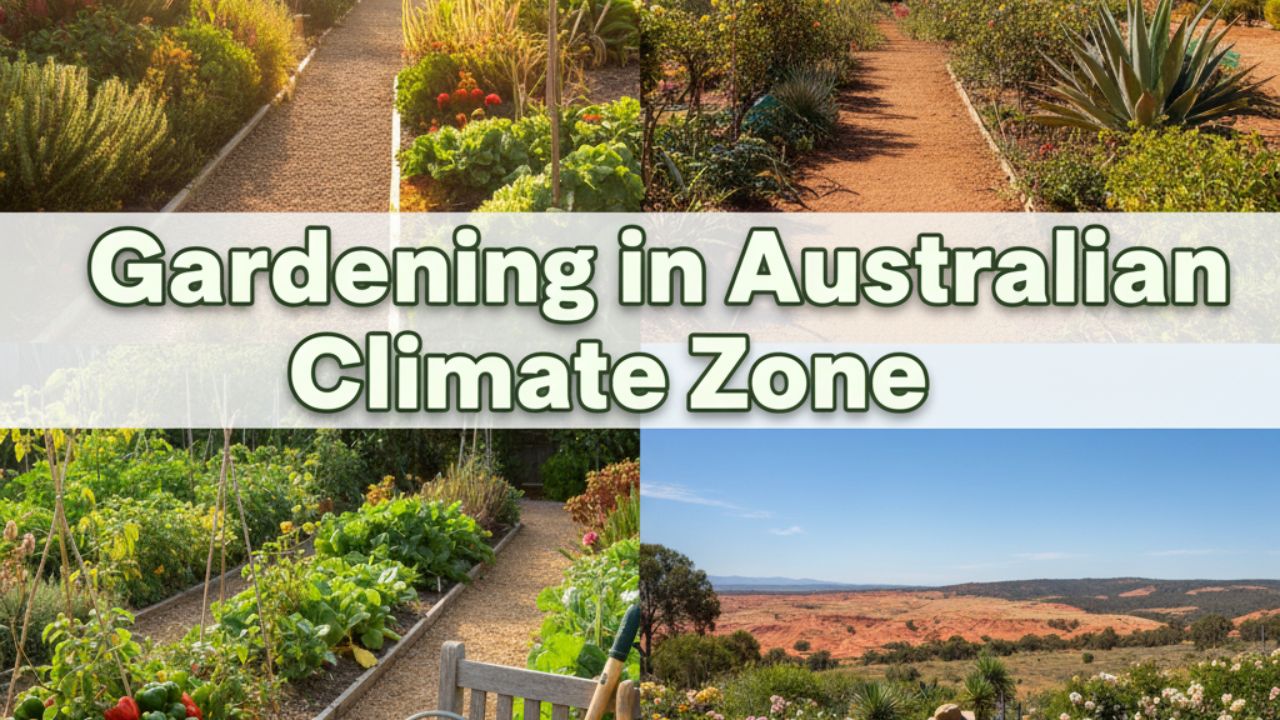
Introduction: Cultivating Gardens in a Land of Extremes
Australia’s landscapes are very different from each other. For example, Queensland has tropical rainforests, the Northern Territory has dry deserts, and Tasmania has cool temperate hills. Every zone needs a different way of gardening.
Gardening in Australia’s climate zones is more than knowing soil and sunlight; it’s about surviving and thriving in one of the most climate-diverse places on Earth.
This guide breaks down seven proven steps for gardening that will help your garden thrive in any area. It does this by combining scientific knowledge, horticultural expertise, and common sense. This blog will help you learn how to gardening in Australian Climate Zones, whether you’re growing drought-tolerant natives in Zone 4 or cool-season crops in Zone 7.
History and Origin: Mapping Australia’s Climate Diversity
The Bureau of Meteorology (BOM) and CSIRO started classifying Australia’s climate in the early days. They came up with a seven-zone model to make the country’s complicated weather patterns easier to understand. These zones help scientists, farmers, and gardeners guess how well plants will grow and how well crops will do.
Australia’s model was first based on Köppen–Geiger’s climate classification. It then changed to take into account local microclimates, which are ecosystems that form because of things like altitude, being close to the ocean, and rainfall.
To be successful at Gardening in Australian Climate Zones, you need to understand how this evolution works. It connects scientific climatology with real-life gardening choices.
Gardening in Australian Climate Zones for Beginners: The Journey from Soil to Soul
Every expert gardener has been in your shoes, looking at bare ground and wondering what to plant first while secretly being afraid of failing. The truth is that the weather isn’t your enemy; it’s your oldest teacher. Gardening in Australian Climate Zones doesn’t start with a shovel; it starts with awareness—the ability to read the sky, feel the soil, and understand what the land is trying to tell you.
Before you start gardening in Australian Climate Zones, you need to learn how to read the sky, feel the soil, and listen to what the land is saying to you. There is a record of centuries of wind, water, and sun in every handful of soil. Your landscape already knows how to grow.
Australia’s vast continent provides you with one of the most diverse classrooms on the planet.
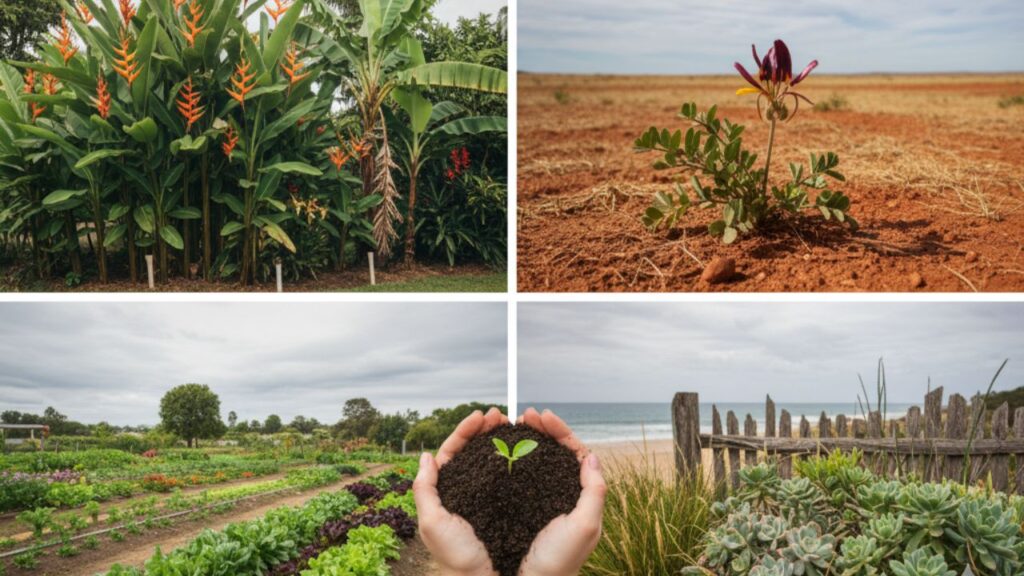
- In Tropical North Queensland, the heat and humidity make gardens into living laboratories of lush growth.
- In Southern Tasmania, crisp air and cool soil create the perfect rhythm for hardy greens.
- The Arid Interior whispers the secrets of survival—how to grow life where water is gold.
- Coastal Regions teach resilience—how salt, sand, and sea can still cradle life when balanced with the right techniques.
These aren’t just Australian Climate Zones; they’re living people who will help you change. They’re gardeners with their own personalities, and they all want to be treated with respect and understanding.
So, if you’re a beginner reading this—pause for a moment.
From now on, you won’t have to guess when you garden. You’ll learn to:
- Identify your exact climate zone using simple observation (temperature, rainfall, humidity).
- Choose plants that want to grow where you are, instead of forcing those that resist.
- Build soil like a living ecosystem—one handful at a time.
- Use wind, water, and sunlight as allies instead of obstacles.
By the end of this guide, you’ll move beyond “planting” into gardening with purpose—where every seed you place carries intent and intelligence.
Here’s the hidden secret most people never realize:
“The climate is always good for the gardener; it’s only the gardener who doesn’t pay attention to it who fails.”
The truth behind Gardening in Australian Climate Zones is that it’s not about mastering nature; it’s about learning her rhythm. And when you do, your garden doesn’t just grow; it grows easily.
Expert Gardening Insights: Mastering Australian Climate Zones
You don’t just react to the weather; you make music with it once you know your garden’s rhythm. Not only do expert gardeners in Australian Climate Zones adapt, but they also come up with new ideas. They use microclimates, soil layering, and seasonal inversion to get results that go beyond what is possible.
Here’s where mastery begins:
- Manipulate Microclimates: Use structures, hedges, or reflective surfaces to warm up cool areas or cool down hot areas.
- Cross-Zone Planting: You can grow temperate crops in subtropical tunnels or try out drought strategies in coastal beds. Evolution is adaptation.
- Precision Watering: Experts keep an eye on evaporation rates, not just rainfall. Experts schedule irrigation based on the soil’s respiration, which is a dynamic process that keeps roots active without causing flooding.
- Soil Intelligence: Masters don’t feed plants; they feed the microbes. The stronger the soil web, the more resistant the plants are.
Here’s the hidden expert fact:
“There is a microclimate in every Australian garden that you can find. Finding it is what makes the difference between growing and mastering.”
Master gardeners know that success isn’t about fighting the weather; it’s about choreography—making the wind, sun, and soil work together as one living system. When that balance is reached, gardening stops being a chore and becomes an art.
Scientific Explanation: The 7 Climate Zones of Australia
Australia has seven climate zones, each with its patterns of temperature, rainfall, and humidity. These patterns affect what lives and dies. Gardening in Australian climate zones is about more than soil and sunlight; it’s about thriving in a diverse climate.
→ Find out how climate zones affect gardening and how the weather in each part of Australia affects how plants grow.
Table 1: Overview of Australian Climate Zones
| Zone | Climate Type | Regions Covered | Average Temp (°C) | Rainfall (mm/year) | Ideal Plants |
| Zone 1 | Tropical | Northern QLD, NT Top End | 20–33°C | 1000–4000 | Hibiscus, Frangipani, Papaya |
| Zone 2 | Subtropical | SE QLD, Northern NSW | 15–30°C | 800–1500 | Bougainvillea, Citrus, Avocado |
| Zone 3 | Arid | Central Australia, WA interior | 10–35°C | 150–250 | Succulents, Agave, Desert Pea |
| Zone 4 | Semi-Arid | SA, Western NSW | 10–32°C | 250–500 | Saltbush, Eremophila, Oleander |
| Zone 5 | Temperate | VIC, Southern NSW | 5–28°C | 500–1000 | Roses, Lavender, Lettuce |
| Zone 6 | Cool Temperate | TAS, Southern VIC | 3–24°C | 700–1400 | Rhododendron, Apples, Spinach |
| Zone 7 | Alpine | Snowy Mountains, TAS highlands | –2–20°C | 1000–2000 | Conifers, Alpine herbs, Cabbage |
(Data sources: Bureau of Meteorology, CSIRO Gardening Research Unit, 2024 reports.)
Step 1: Know Your Zone—The Foundation of Gardening Success
Knowledge serves as your guide when gardening in Australian climate zones. Knowing your zone is important for gardening.
Being aware of your zone is the first step to having a successful Australian garden.
You might be able to move forward while gardening without knowing your climate zone, but you might not be going in the right direction.
Actionable Insight:
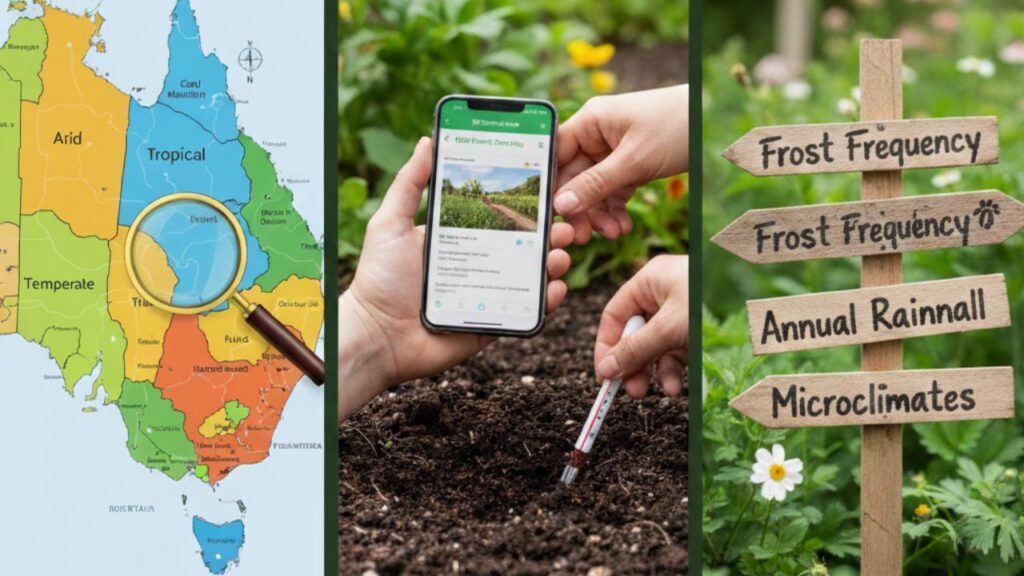
- Use the BOM Climate Zone Map or RHS-style Gardening Zones Map to locate your exact zone.
- Keep track of the average temperature range, the number of frosts per year, and the amount of rain that falls each year.
- Monitor the microclimates in your garden. Shaded areas or sunny slopes can change the conditions by a whole zone.
Hidden Tip: You can tell when to plant by using a simple probe to check the temperature of the soil in your area. Even two suburbs apart can mean a three-week difference in planting time.
Step 2: Choose Native and Climate-Fit Plants
Gardening in Australian Climate Zones is successful when native species are present. They have changed over millions of years to deal with droughts, heat waves, and hazardous soil.
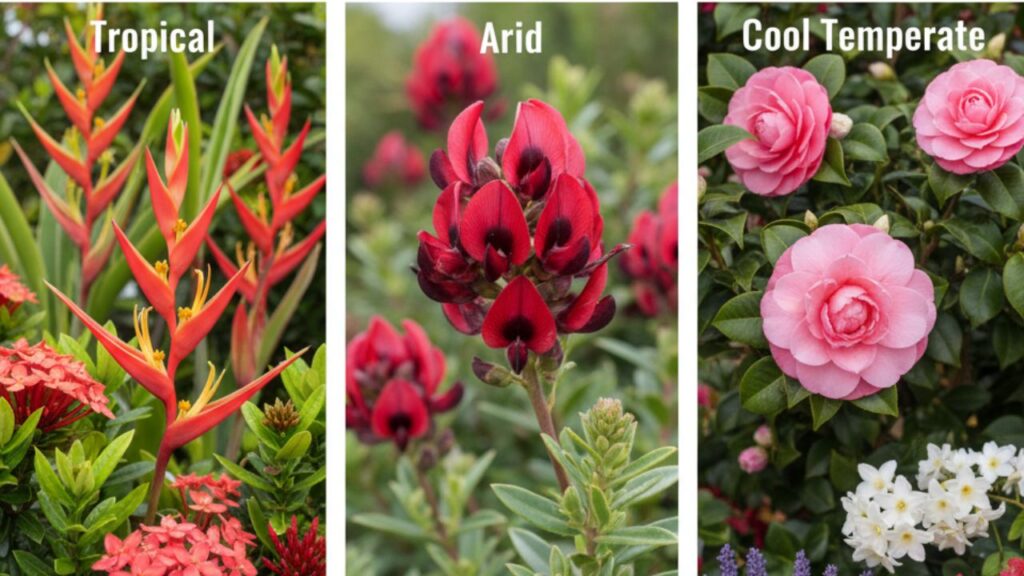
Example per Zone:
- Zone 1 (Tropical): Ixora, Heliconia, Banana trees
- Zone 3 (Arid): Sturt’s Desert Pea, Eremophila
- Zone 6 (Cool Temperate): Camellia, Daphne
Insight: To keep things interesting and add texture all year long, always plant one or two climate-adapted exotics with your native plants. For example, Lavender in temperate zones or Bougainvillea in subtropical areas.
Step 3: Master the Art of Watering
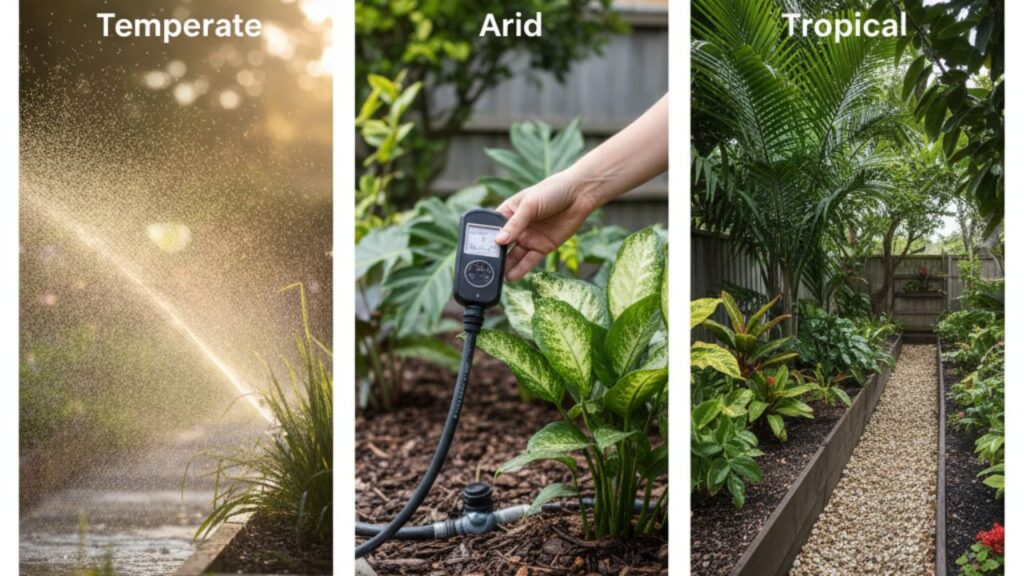
Water is the most important thing for gardening in Australia. Overwatering is as harmful as drought.
Proven Watering Strategy by Zone:
- Arid & Semi-Arid (Zones 3–4): Deep soak once a week; use greywater systems and mulch.
- Temperate (Zone 5): Early morning watering to minimize evaporation.
- Tropical (Zone 1): Focus on drainage—raised beds prevent root rot during heavy rains.
Chart 1: Average Rainfall vs. Recommended Irrigation Frequency
| Zone | Rainfall (mm) | Suggested Watering | Soil type is best suited. |
| 1 | 2000+ | Every 3 days | Loamy-sandy |
| 3 | 200 | Weekly deep soak | Sandy |
| 5 | 800 | Twice weekly | Loam-clay mix |
| 6 | 1000 | Moderate | Clay-rich |
Insight: Smart irrigation changes gardening in Australian climate zones from a struggle to a way of life.
Step 4: Improve Soil Health—The Secret to Thriving Roots
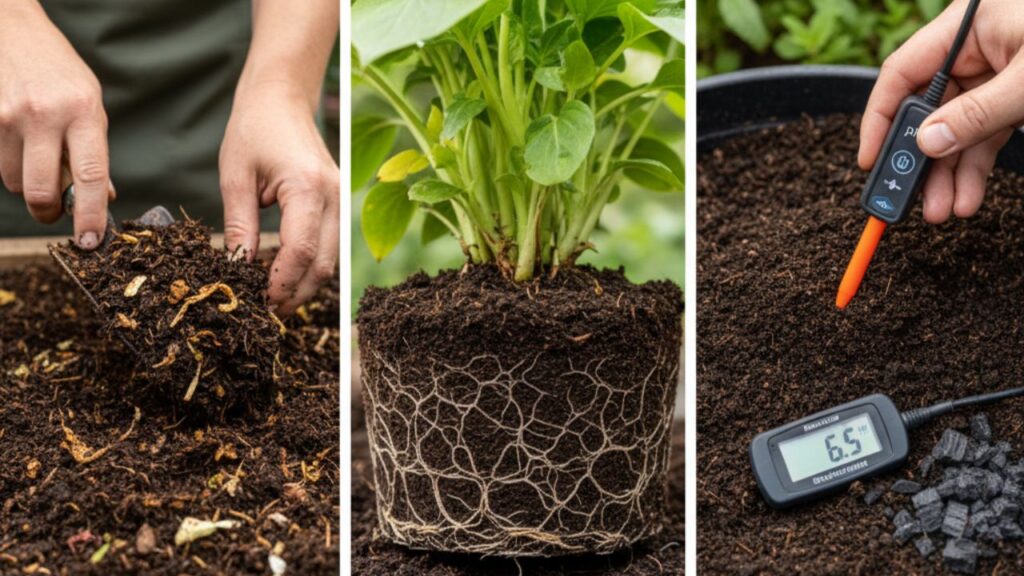
Australia’s quiet gardener is healthy soil. Soil improvement is necessary because many areas have sandy soil and lose nutrients over time.
Beneficial-Recommended Routine:
- Add compost or aged manure every season.
- Mix in gypsum for clay soils or coir peat for sandy textures.
- Maintain soil pH between 6.0 and 7.0 using pH testing kits.
- Apply worm castings and biochar to boost microbial activity.
Quick Fact: CSIRO (2023) found that gardens that used organic mulch kept 42% more moisture and made 35% healthier root biomass than gardens that only used synthetic fertilizers.
Step 5: Adapt Your Planting Calendar to the Climate
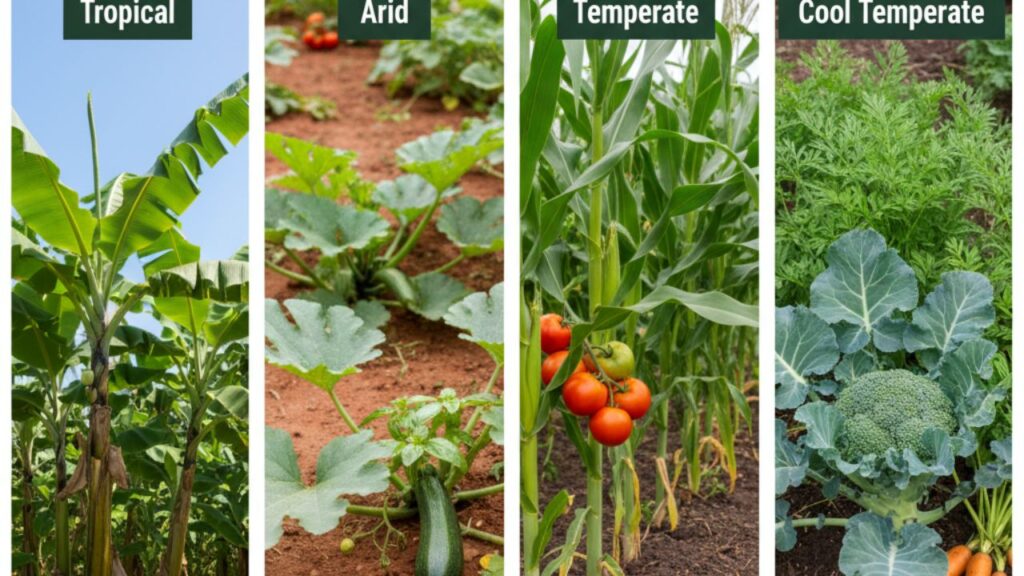
The seasons in Australia are different from those in Europe and America. Knowing when to plant in your area can double your yield and lower plant stress. Each region in Australia, Gardening in Australian Climate Zones, has its planting windows.
Table 2: Seasonal Planting Guide for Key Zones
| Season | Zone 1 (Tropical) | Zone 3 (Arid) | Zone 5 (Temperate) | Zone 6 (Cool Temperate) |
| Summer | Sweet Potato, Okra | Zucchini, Basil | Tomato, Corn | Broccoli, Carrot |
| Autumn | Lettuce, Beans | Beetroot, Spinach | Kale, Onion | Cauliflower, Garlic |
| Winter | Ginger, Taro | Peas, Onion | Spinach, Broccoli | Leek, Cabbage |
| Spring | Mango, Cucumber | Tomato, Chili | Lettuce, Pumpkin | Peas, Strawberry |
Pro Tip:
Not just the air temperature, but also the soil temperature should be in sync with planting. Most vegetables do best between 18 and 22 degrees Celsius.
Step 6: Build Climate Resilience—Shade, Shelter, and Sustainability
Gardening today has to deal with changing weather patterns, like heat waves, rain that comes and goes, and frost that moves.
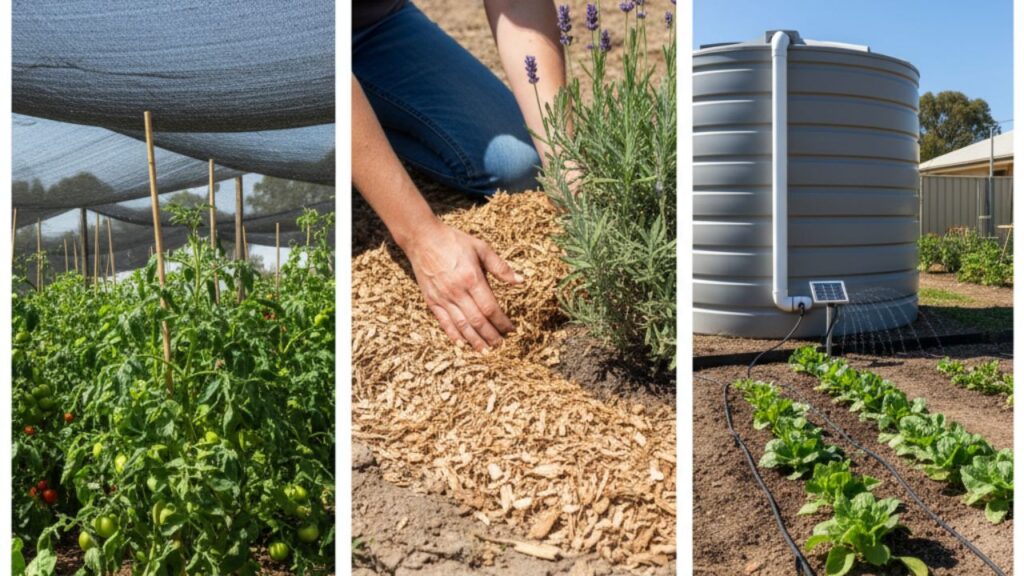
Practical Climate-Resilient Strategies:
- Shade cloths (30–50%) reduce heat stress on tender plants.
- Mulching (5–8 cm) conserves moisture and stabilizes soil temperature.
- Windbreaks (shrubs or bamboo fences) protect from hot, dry winds.
- Rainwater harvesting ensures self-sufficiency during dry months.
Eco-Tip: Install a simple drip irrigation system that runs on solar pumps. It can cut your water use by up to 60% while still keeping your plants well-watered.
Step 7: Compare and Learn—Global Zone Equivalents
When you compare Australian zones to USDA Hardiness Zones or RHS Hardiness Ratings, you gain a global view of how plants grow. Learning from other systems helps us understand Gardening in Australian Climate Zones better.
Table 3: Global Climate Zone Equivalents
| Australian Zone | Closest USDA Zone | Example Region | Similar Gardening Challenges |
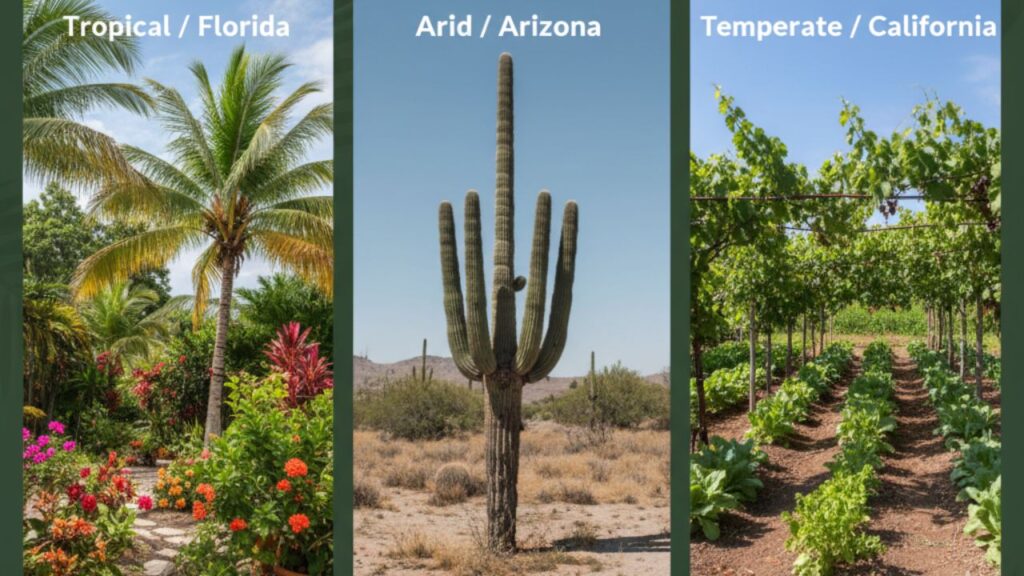
| 1 (Tropical) | 12–13 | Florida, Hawaii | Humidity, heavy rainfall |
| 3 (Arid) | 9–10 | Arizona, Nevada | Heat, low moisture |
| 5 (Temperate) | 8 | California | Mild winters, moderate rain |
| 6 (Cool Temperate) | 7 | Oregon, Washington | Cool summers, wet winters |
Insight:
Using planting methods from similar global zones can lead to new ideas, such as layering mulch from Mediterranean vineyards or designing rain gardens from coastal systems in the U.S.
Climate and Future Outlook: Gardening in a Warming Australia
The climate in Australia is getting 1.4°C warmer than the global average, which changes the way people garden. Gardeners who care about the future will need to:
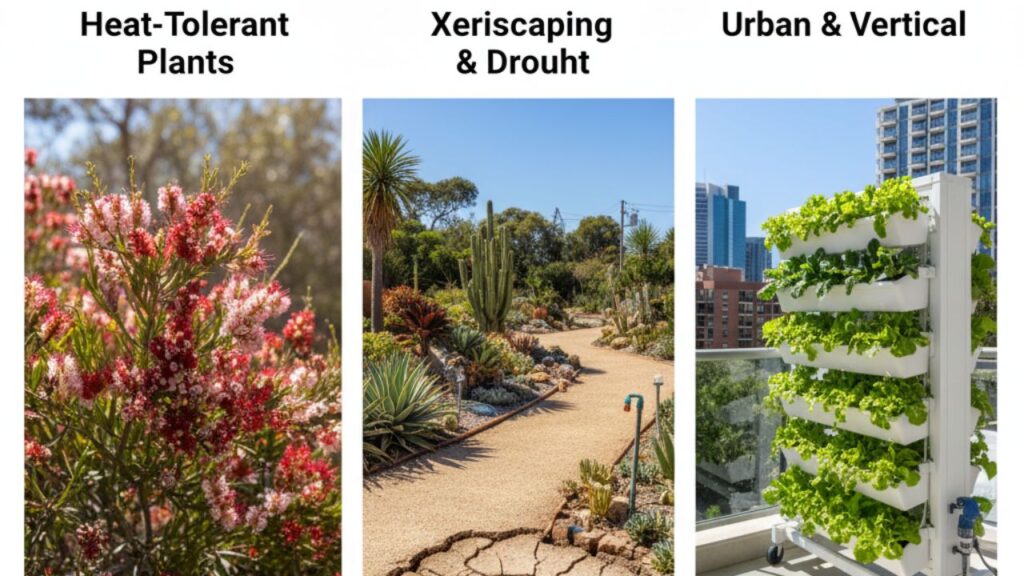
- Change to heat-tolerant plants, like native grevilleas, wattles, and saltbush.
- Use xeriscaping in areas where water is scarce.
- Look into vertical and hydroponic gardening to make cities more resilient.
Projected Change (2050 Forecast – CSIRO):
- Zone 1 is expanding southward by ~120 km.
- Zone 6 is shrinking by 18%.
- Average rainfall variability is ±15% across all regions.
Takeaway: Adaptive gardening isn’t just beneficial for the environment; it’s also a way for Australia to survive in the future.
Frequently Asked Questions (FAQs)
1. What are the 7 Australian Climate Zones?
They go from Tropical to Alpine, and each one shows how plants adapt to different Australian climate zones.
2. Can I grow the same plants in multiple zones?
Some plants, like lavender and rosemary, can grow in Zones 3–6, but you need to change how much water and soil they receive.
3. What’s the best time to start a garden in Australia?
Most places are best in the fall because the soil stays warm from the summer but doesn’t become too hot.
4. How do I identify my microclimate?
For optimal Gardening in Australian Climate Zones, keep track of the number of hours of sunlight, the temperature of the soil, and the amount of wind exposure.
5. Is organic gardening better for Australian climates?
Yes. Organic soils are better at holding water and dealing with temperature changes, which is important in Australia’s changing climate.
Conclusion: Australia’s Climate—Your Garden’s Greatest Teacher
Gardening in Australian Climate Zones is more than just growing plants; it’s working with the land itself.
Gardening in Australian Climate Zones is a mix of science, timing, and being flexible.
These 7 proven steps will help you succeed, from learning about your zone and soil to making the best choices for plants, water, and resilience.
There are problems with every climate, but there are also chances to make a beautiful, strong garden ecosystem that reflects Australia’s beauty and strength. Every zone can be fertile ground if you know what to do.
5 thoughts on “7 Proven Steps for Gardening in Australian Climate Zones for Thriving Gardens Nationwide”
Pingback: 7 Unbeatable Secrets for Gardening in German Climate Regions—Avoid Costly Mistakes
9lm9ye
Hubetapp looks handy! Gonna download it now and see what the mobile experience is like. Ease of use is key for me. Hope it’s smooth! hubetapp
I wanted to thank you for this great read!! I definitely enjoying every little bit of it I have you bookmarked to check out new stuff you post…
Pingback: lisinopril 5 mg